Renault South Africa
Full specifications for every Renault model. Compare prices, engine specs, fuel consumption and features.
364
Specifications
34
Models
364
Variants
R89 995
From (R)
Full specifications for every Renault model. Compare prices, engine specs, fuel consumption and features.
The quickest way to understand Renault is to start with what it is trying to be in the market. Renault has always been comfortable in the everyday parts of the market, where hatchbacks, MPVs and sensible family cars matter most.
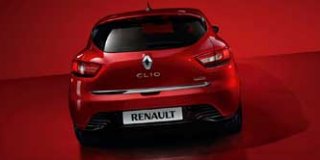
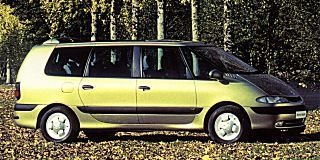
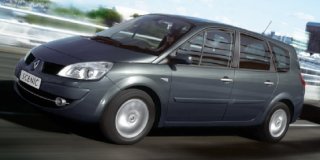
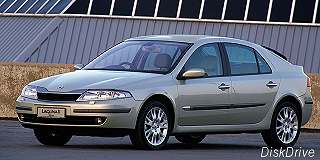
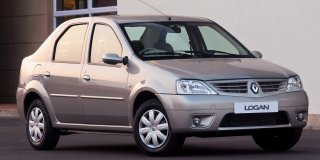
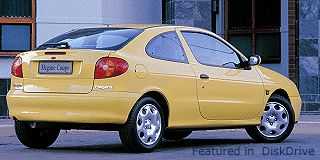
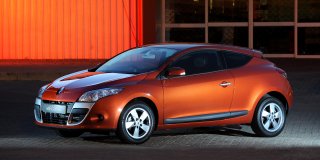
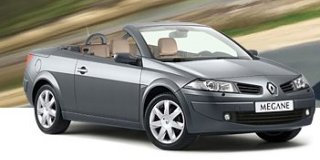
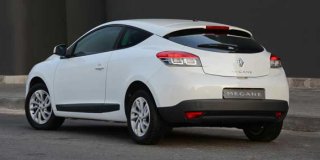
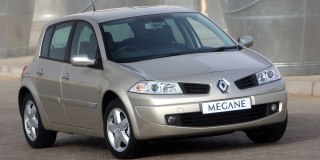
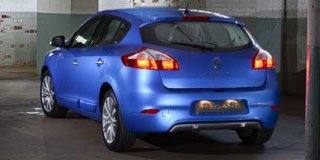
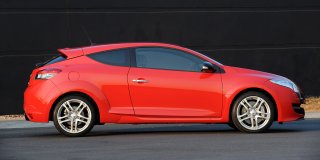
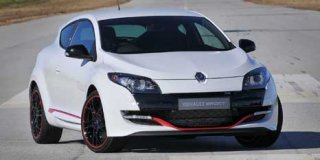
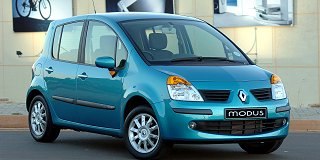
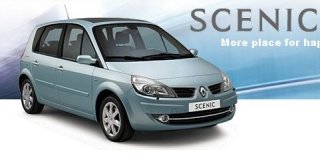
A quick look at the range backs that up. Vehicles like Megane Hatch, CLIO 3, Scenic, and Sandero do more than fill out the catalogue; they define Renault's personality in usable terms. The emphasis on hatchback, coupe, mpv, and sedan keeps that personality recognisable from one model to the next. There is genuine depth here, which helps Renault feel established rather than one dimensional.
The payoff for buyers is clarity. The vehicles do not pretend to be something completely different from what Renault already implies. Renault tends to be most interesting when it makes ordinary family motoring feel slightly smarter or more imaginative.
This is the end of the market where range shape and day to day usability really count, because the cars need to earn their place in ordinary routines. That is why Renault tends to appeal most to buyers who want practical transport with European character and a bit of individual thinking.
For a brand page, that is exactly what you want to see: a brand with a visible point of view.
For editorial purposes, that concentration is not a weakness. It gives Renault a cleaner profile and makes the link between brand image and actual product easier to follow through the range.