Hyundai South Africa
Full specifications for every Hyundai model. Compare prices, engine specs, fuel consumption and features.
289
Specifications
27
Models
289
Variants
R64 900
From (R)
Full specifications for every Hyundai model. Compare prices, engine specs, fuel consumption and features.
Buyer expectations shape every vehicle make, and Hyundai has always answered a slightly different set of expectations from many of its rivals. That spread gives Hyundai a versatile identity, because the brand can speak to first time buyers, families and crossover shoppers at once.
What separates a good mainstream brand from a forgettable one is the way it handles the details people actually live with over time. That mix tends to resonate with buyers who want choice, familiarity and a current, well packaged ownership proposition, because the catalogue makes its priorities visible without overexplaining them.
There is a reason Hyundai leaves a particular impression. The catalogue reinforces it instead of fighting it, and that makes the brand easier to understand once you spend time with the models. Hyundai works best when its breadth feels organised and modern rather than generic, and the stronger parts of the range do exactly that.
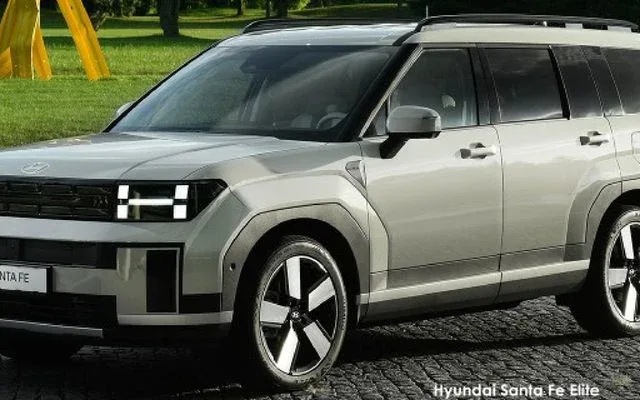
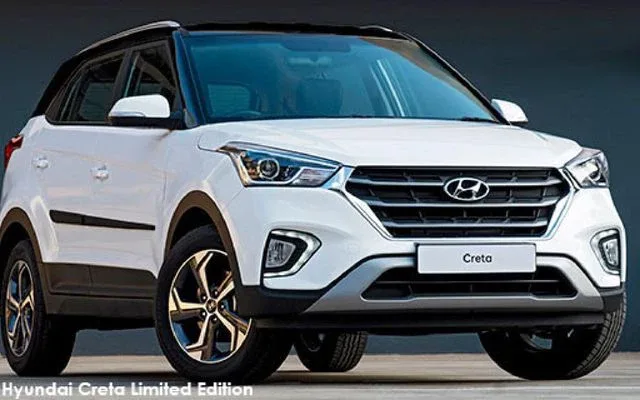
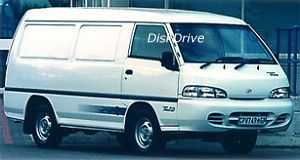
The easiest way to see this in the data is through models like Elantra, Getz, Santa FE, and H-100. Pair that with a line-up weighted toward suv, hatchback, sedan, and mpv, and Hyundai's priorities become much easier to read. There is enough spread in the catalogue to give Hyundai texture without making it feel unfocused.
That sense of fit between identity and product is what gives Hyundai its editorial value.