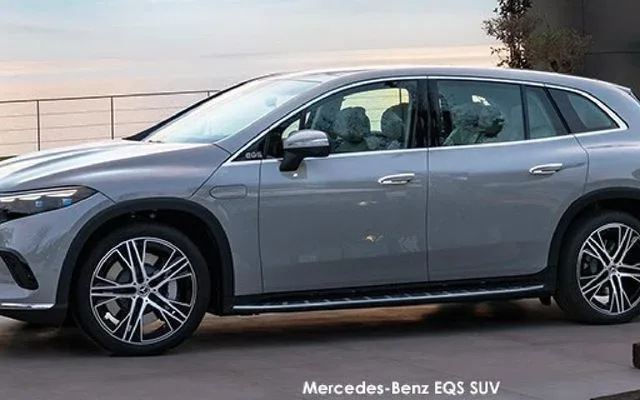
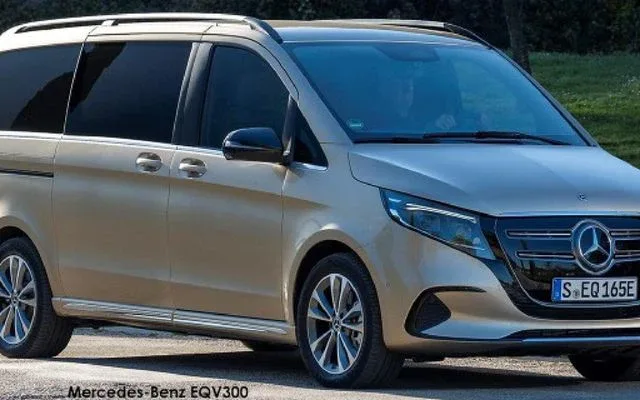
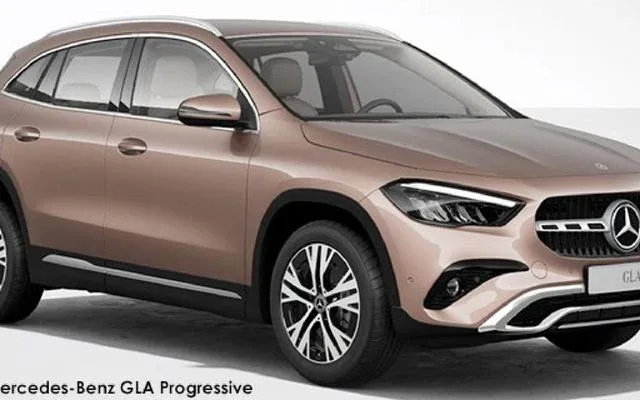
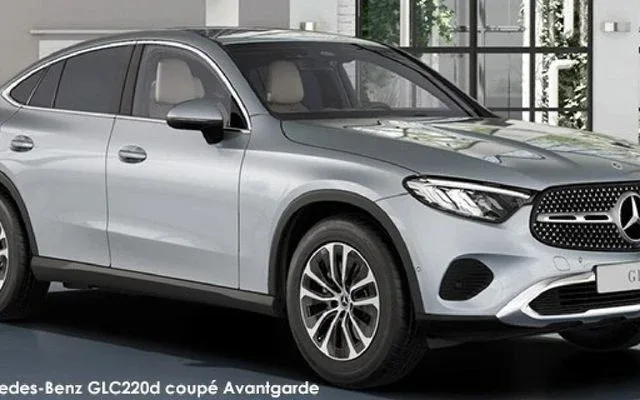
Mercedes-Benz combines long standing prestige, broad range depth and a polished idea of modern luxury.
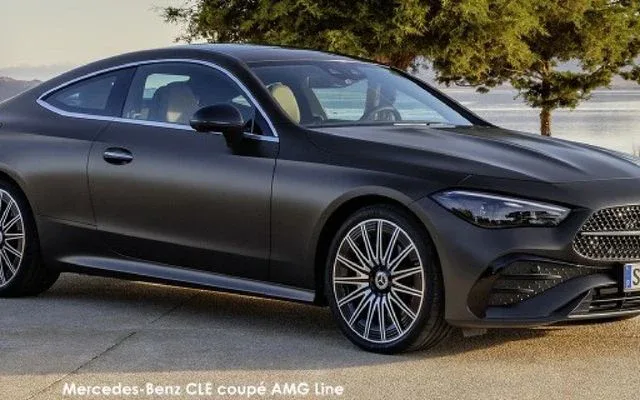
What makes Mercedes-Benz worth reading closely is the way its market role and its vehicle mix tend to reinforce each other. That depth allows Mercedes-Benz to cover compact cars, family SUVs, executive sedans and halo coupes without losing identity.
In the end, Mercedes-Benz works because its strongest characteristics are visible in the vehicles themselves. Mercedes-Benz remains strongest when refinement, technology and quiet authority all arrive in the same package.
What matters most here is usually polish: cabin quality, ride comfort, technical confidence and a name with real weight behind it. In buyer terms, that means buyers who want strong brand recognition, comfort and a premium experience that feels established, especially when the vehicle itself needs to reflect a clear role or personality.
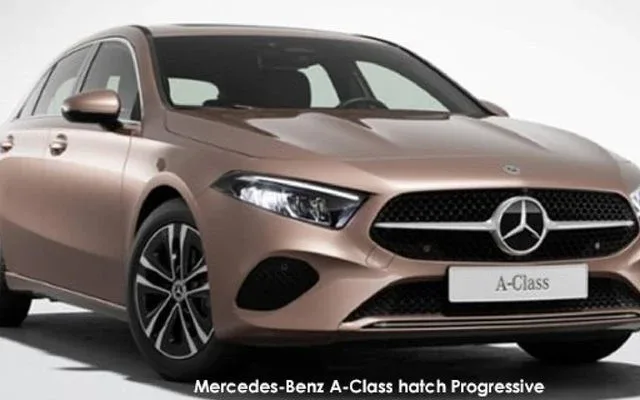
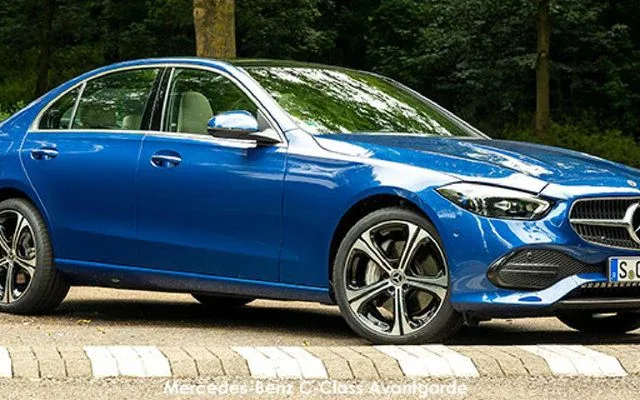
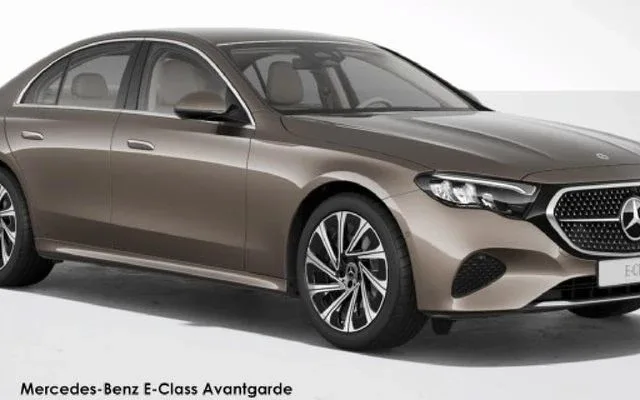
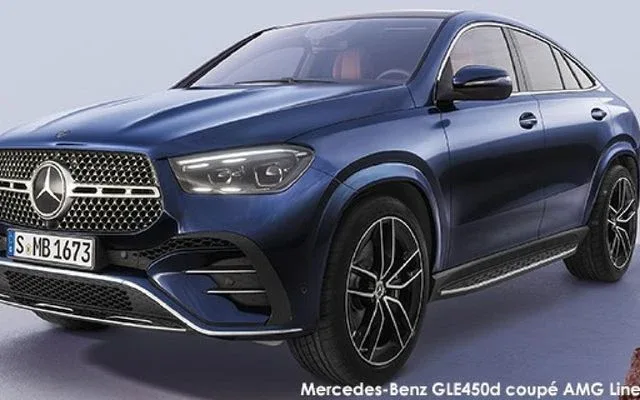
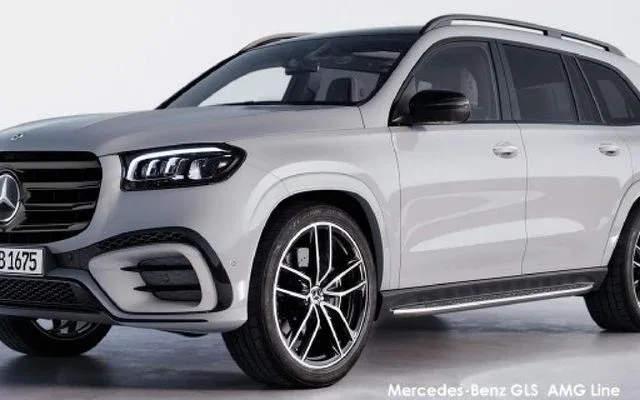
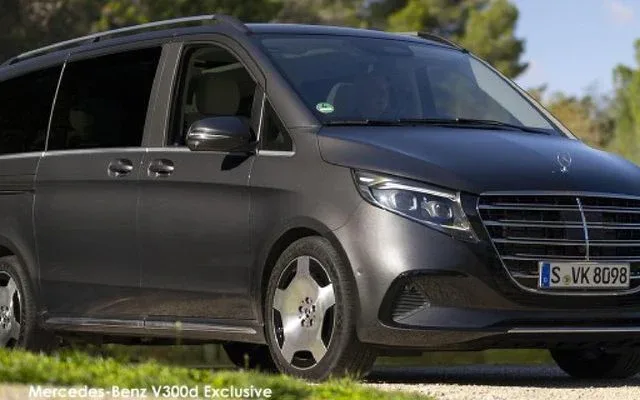
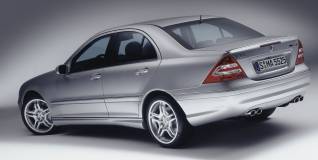
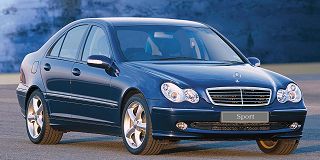
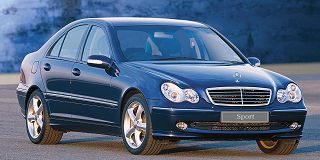
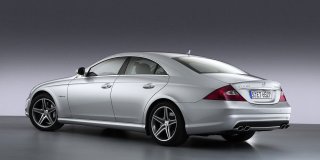
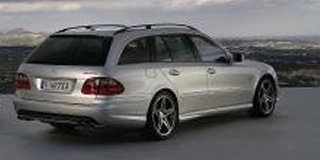
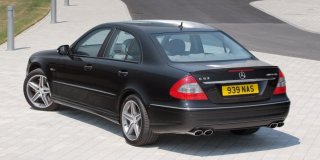
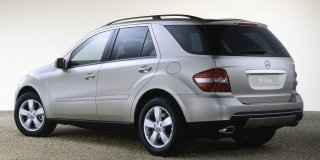
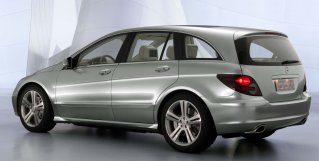
The specification data fills in the rest of the picture. Representative models such as C-Class Sedan, C-Class Estate, A-Class, and E-Class Sedan tell you a lot about how Mercedes-Benz expresses itself in practice. Most of the range sits in coupe, suv, sedan, and mpv, which gives Mercedes-Benz a polished feel rather than a scattered one. There is genuine depth here, which helps Mercedes-Benz feel established rather than one dimensional.
That is the sort of coherence buyers notice, even when they never describe it in those exact words.
For editorial purposes, that concentration is not a weakness. It gives Mercedes-Benz a cleaner profile and makes the link between brand image and actual product easier to follow through the range.