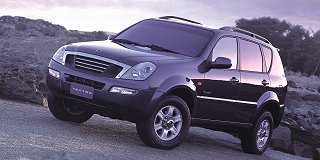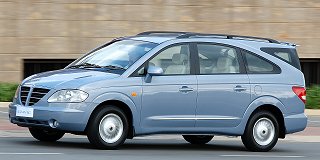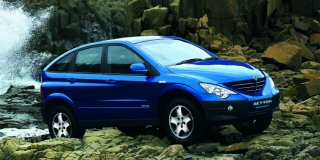
Full specifications for every Ssangyong model. Compare prices, engine specs, fuel consumption and features.
Ssangyong does not need inflated language to make sense. The line-up itself tells a fairly clear story about where Ssangyong sits and what kind of driver it is likely to attract.
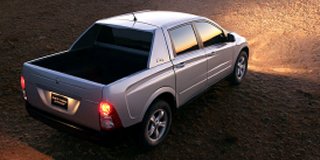
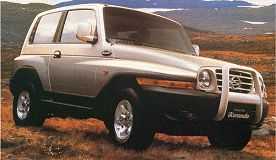
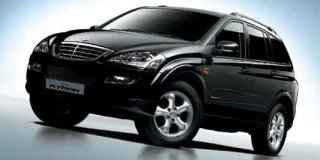
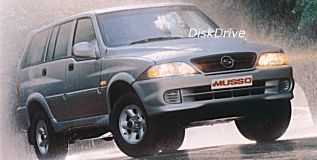
Models like Rexton, Korando, Musso, and Actyon Sports are not just familiar names; they are the clearest shorthand for what Ssangyong is doing in this database. With so much of the range weighted toward suv, bakkie, and mpv, Ssangyong ends up with a strong sense of direction. That scale works in Ssangyong's favour because the range stays readable without becoming thin.
SUV led brands are often judged by how convincingly they combine stance, space and versatility rather than by any single headline number. The likely audience is buyers who want an SUV or bakkie that leans practical and robust rather than delicate or trendy, because the range gives them enough of what they value without forcing the rest of the ownership experience to become hard work.
That coherence is important. Plenty of makes have name recognition, but fewer manage to make their actual model line-up feel this aligned with their broader identity. Ssangyong makes the strongest case when durability and usefulness are front and centre.
That thread of consistency is what stops Ssangyong from dissolving into just another list of model names.
It is also worth noting that a smaller make can feel more legible on a specification site like this one. With fewer nameplates to muddy the waters, the brand's strengths, limitations and likely audience become easier to read from the data alone.