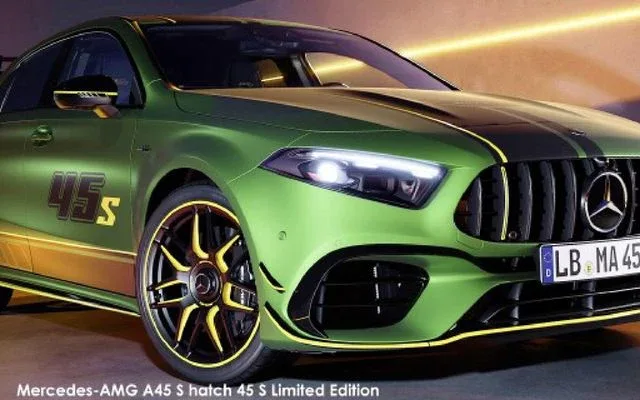
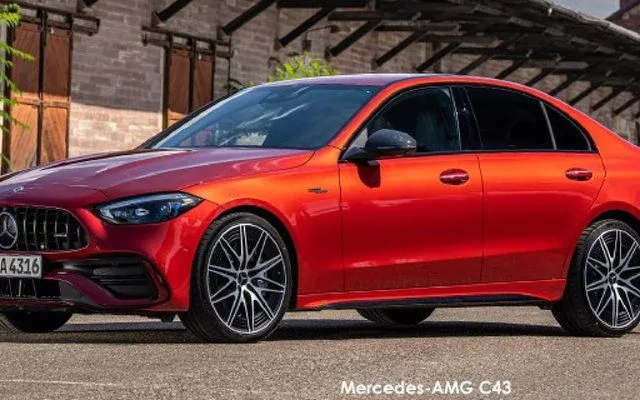
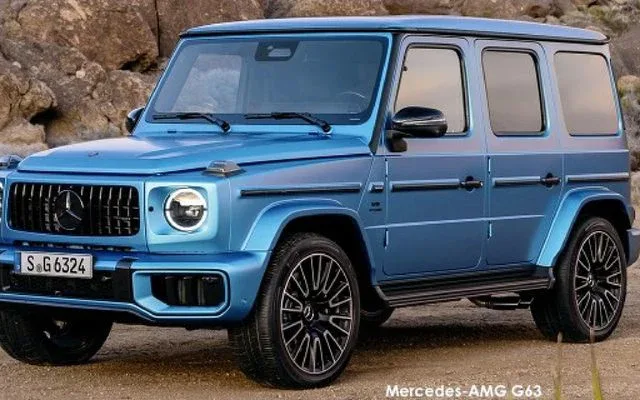
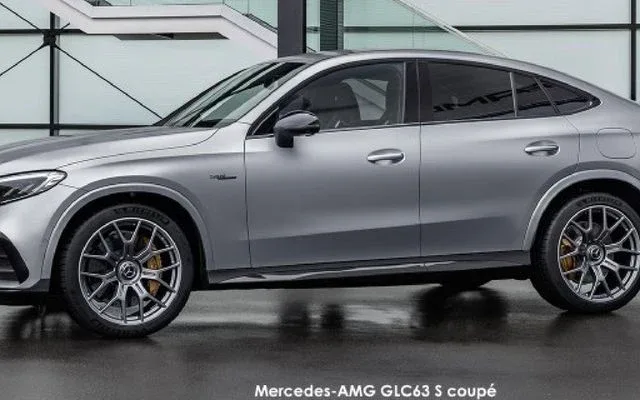
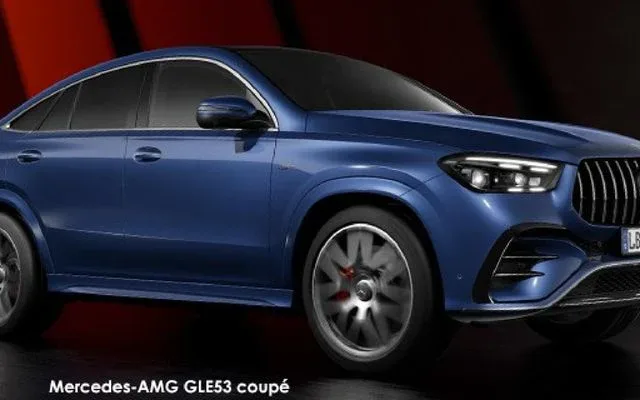
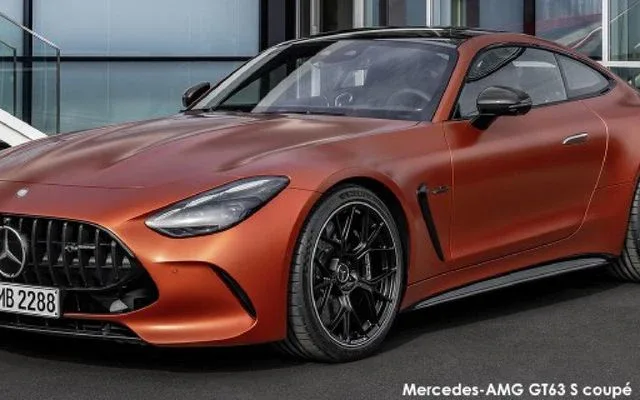
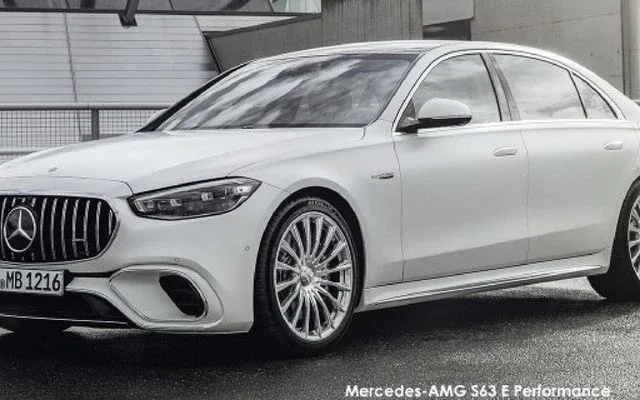
Mercedes-AMG adds serious pace, sharper responses and a more intense edge to premium Mercedes performance.
Some makes are easy to summarise in a single phrase. Mercedes-AMG is not quite that simple, which is part of the reason Mercedes-AMG remains interesting. The appeal is not just extra power. It is the broader sense of urgency, drama and confidence that comes with the AMG treatment.
Performance brands live or die by the way they make a driver feel, and that means response, character and composure matter just as much as raw figures. That mix tends to resonate with buyers who want premium comfort but refuse to give up speed, noise and sharper intent, because the catalogue makes its priorities visible without overexplaining them.
The easiest way to see this in the data is through models like GLC, A-Class, GLE, and C-Class. Pair that with a line-up weighted toward suv, sedan, coupe, and convertible, and Mercedes-AMG's priorities become much easier to read. That scale works in Mercedes-AMG's favour because the range stays readable without becoming thin.
There is a reason Mercedes-AMG leaves a particular impression. The catalogue reinforces it instead of fighting it, and that makes the brand easier to understand once you spend time with the models. Mercedes-AMG is most compelling when it makes a fast car feel truly alive, not merely well equipped.
That sense of fit between identity and product is what gives Mercedes-AMG its editorial value.