Mazda South Africa
Full specifications for every Mazda model. Compare prices, engine specs, fuel consumption and features.
269
Specifications
19
Models
269
Variants
R66 106
From (R)
Full specifications for every Mazda model. Compare prices, engine specs, fuel consumption and features.
There is a noticeable difference between a brand that simply fills segments and one that projects a recognisable identity across its line-up. Mazda usually falls into the second camp.
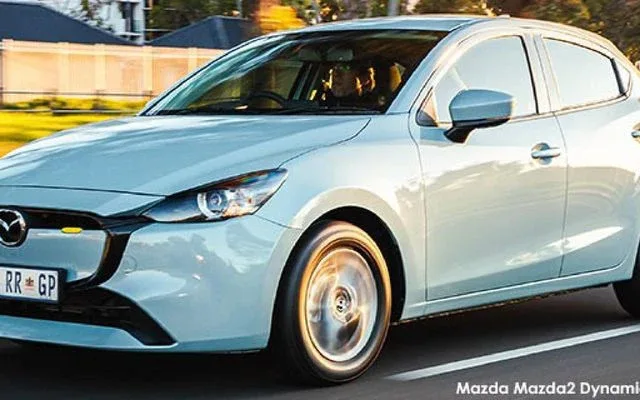
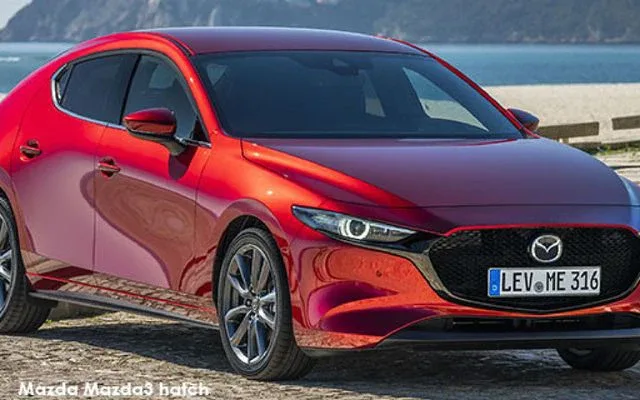
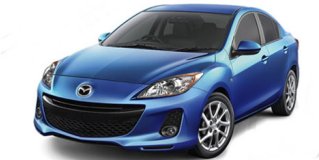
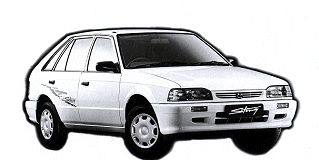
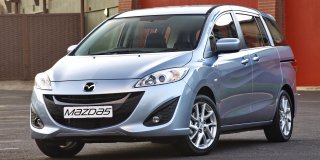
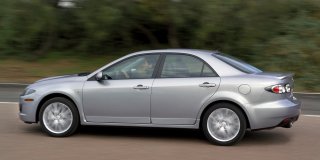
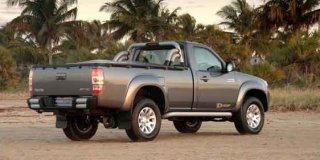
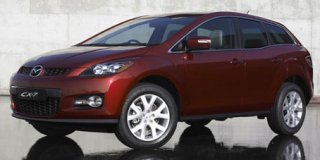
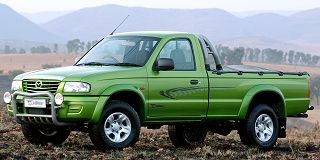
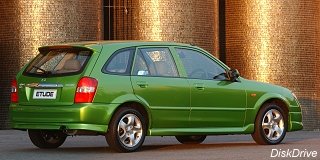
The representative models in the database - BT-50, 3, 6, and Drifter - show how Mazda behaves when it reaches the road. The body style spread, led by sedan, suv, hatchback, and bakkie, says just as much about Mazda's role. The line-up is broad enough to reveal different facets of Mazda without drifting into noise.
This is the end of the market where range shape and day to day usability really count, because the cars need to earn their place in ordinary routines. Buyers who stay with Mazda are often buyers who want practical transport that still feels polished and rewarding to drive, because the vehicles speak to a recognisable set of priorities.
What keeps Mazda distinctive is not just the brand image. It is the way the vehicles, the body style bias and the broader public reputation all pull in roughly the same direction. Mazda is usually most convincing when it gives ordinary segments a little more grace, response and visual clarity.
A compact catalogue also changes the way readers interpret the brand. Instead of trying to cover every possible need, Mazda comes across as a brand with a sharper brief and fewer distractions around it. That often makes the overall identity easier to trust, even if the range itself is not expansive.