Full specifications for every LDV model. Compare prices, engine specs, fuel consumption and features.
LDV does not need inflated language to make sense. The line-up itself tells a fairly clear story about where LDV sits and what kind of driver it is likely to attract.
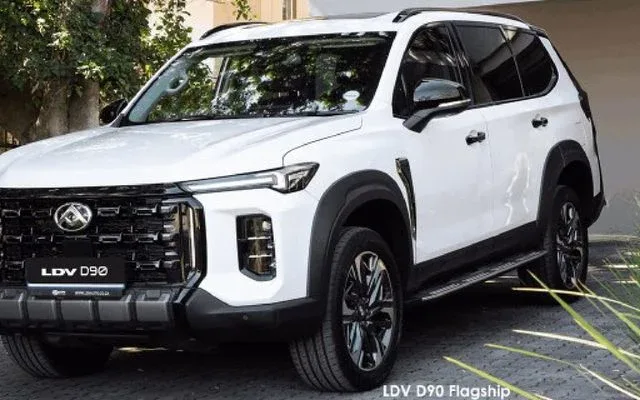
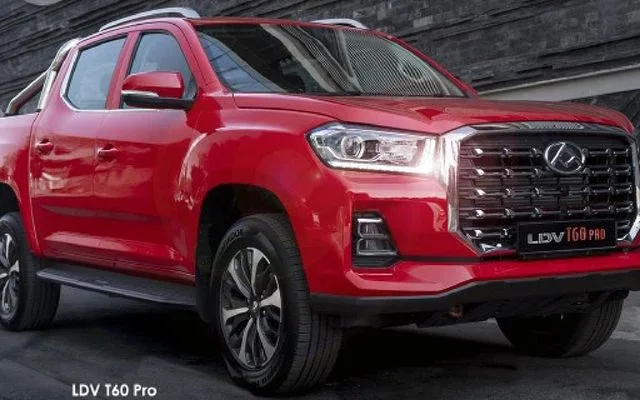
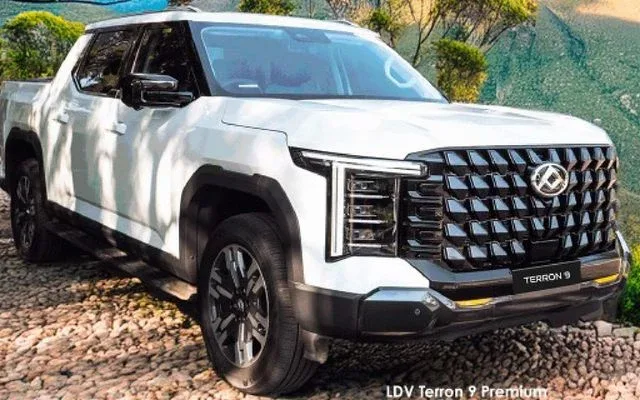
If you want to read the brand through a few nameplates, start with T60, Terron 9, and D90. Those models capture the tone of the range well, while the dominance of bakkie and suv keeps the catalogue anchored in bakkie and suv. The smaller footprint keeps LDV easy to read, because there is very little clutter around the core idea.
That makes this a very direct part of the market, where function and value usually matter more than image. The people most likely to connect with LDV are buyers who want a straightforward vehicle for work or family duty without a premium price tag, not buyers who just want a generic answer to a transport problem.
LDV does not need to be everything to everyone. What matters is that the line-up has a recognisable centre, and that is exactly what gives LDV its staying power. That blend of honest function and wider usability is what gives LDV its relevance.
It is a stronger result than the usual catch all brand summary because the vehicles themselves support the conclusion.
Smaller makes can be harder to place than large global brands, because there are fewer models to explain LDV. In LDV's case, that narrower footprint actually helps. The line-up says something direct about the role the brand wants to play, and there is value in that kind of clarity.