Jeep South Africa
Full specifications for every Jeep model. Compare prices, engine specs, fuel consumption and features.
189
Specifications
8
Models
189
Variants
R198 500
From (R)
Full specifications for every Jeep model. Compare prices, engine specs, fuel consumption and features.
The quickest way to understand Jeep is to start with what it is trying to be in the market. Jeep owns one of the clearest identities in the SUV world, shaped by trail ability, rugged styling and recognisable design cues.
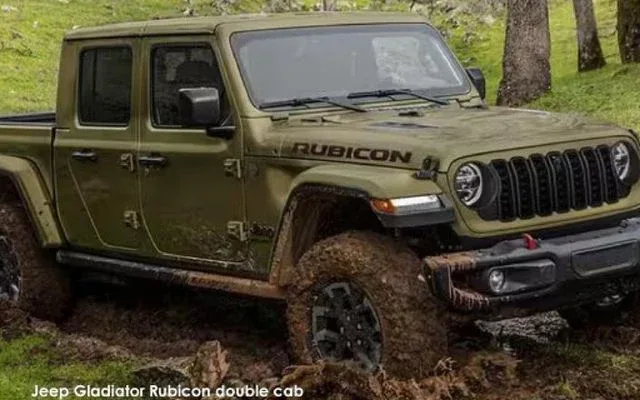
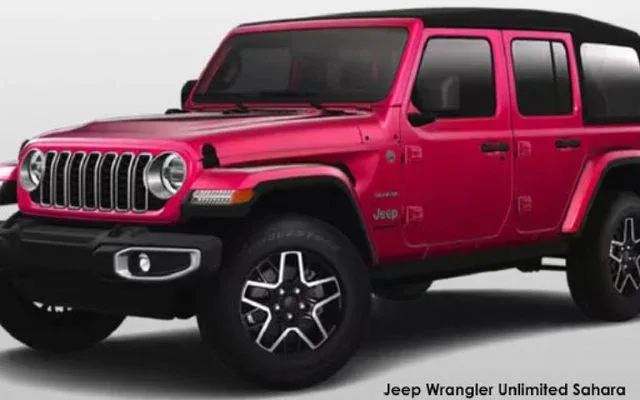
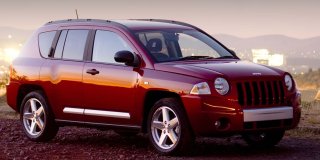
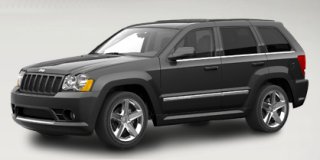
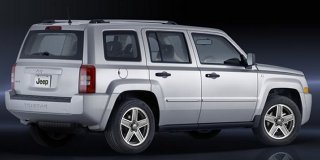
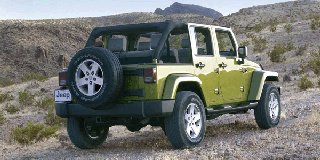
A quick look at the range backs that up. Vehicles like Grand Cherokee, Cherokee, Wrangler, and Wrangler Unlimited do more than fill out the catalogue; they define Jeep's personality in usable terms. The emphasis on suv and bakkie keeps that personality recognisable from one model to the next. There is enough spread in the catalogue to give Jeep texture without making it feel unfocused.
The payoff for buyers is clarity. The vehicles do not pretend to be something completely different from what Jeep already implies. Jeep remains most compelling when capability feels believable rather than decorative.
That body style bias matters because buyers in this space often want one vehicle to cover family duty, longer trips and a little lifestyle credibility at the same time. That is why Jeep tends to appeal most to buyers who want SUV practicality with a stronger sense of adventure and purpose.
For a brand page, that is exactly what you want to see: a brand with a visible point of view.
For editorial purposes, that concentration is not a weakness. It gives Jeep a cleaner profile and makes the link between brand image and actual product easier to follow through the range.