HINO South Africa
Full specifications for every HINO model. Compare prices, engine specs, fuel consumption and features.
6
Specifications
1
Models
6
Variants
R318 220
From (R)
Full specifications for every HINO model. Compare prices, engine specs, fuel consumption and features.
The quickest way to understand HINO is to start with what it is trying to be in the market. HINO sits in the commercial durability space, where duty cycles, uptime and working credibility matter most.
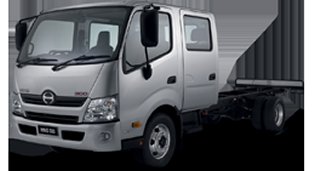
If you want to read the brand through a few nameplates, start with 300. Those models capture the tone of the range well, while the dominance of bakkie models keeps the catalogue anchored in bakkie. The limited spread keeps the focus tight, which often makes the brand easier to understand quickly.
HINO does not need to be everything to everyone. What matters is that the line-up has a recognisable centre, and that is exactly what gives HINO its staying power. A serious work brand earns its place by being dependable under pressure, and that is the right lens for HINO.
In the utility world, the conversation quickly turns to payload, load space, durability and the ability to put in honest work day after day. The people most likely to connect with HINO are operators who need solid, proven transport for real work, not buyers who just want a generic answer to a transport problem.
Smaller makes can be harder to place than large global brands, because there are fewer models to explain HINO. In HINO's case, that narrower footprint actually helps. The line-up says something direct about the role the brand wants to play, and there is value in that kind of clarity.