DFM South Africa
Full specifications for every DFM model. Compare prices, engine specs, fuel consumption and features.
3
Specifications
1
Models
3
Variants
R77 995
From (R)
Full specifications for every DFM model. Compare prices, engine specs, fuel consumption and features.
Some makes are easy to summarise in a single phrase. DFM is not quite that simple, which is part of the reason DFM remains interesting. A van led identity gives DFM a clear purpose from the outset.
Commercial buyers tend to be unsentimental. They care about usefulness, operating logic and the sense that the vehicle was built with a job in mind. In buyer terms, that means buyers who need a simple delivery or light business vehicle that keeps the basics in view, especially when the vehicle itself needs to reflect a clear role or personality.
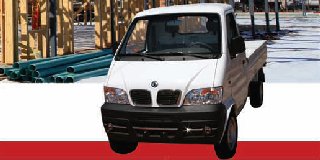
The specification data fills in the rest of the picture. Representative models such as MINI tell you a lot about how DFM expresses itself in practice. Most of the range sits in panel van models, which gives DFM a work first feel rather than a scattered one. The limited spread keeps the focus tight, which often makes the brand easier to understand quickly.
In the end, DFM works because its strongest characteristics are visible in the vehicles themselves. That kind of direct, task first thinking is usually the right way to judge a focused commercial brand.
For editorial purposes, that concentration is not a weakness. It gives DFM a cleaner profile and makes the link between brand image and actual product easier to follow through the range.