Daihatsu South Africa
Full specifications for every Daihatsu model. Compare prices, engine specs, fuel consumption and features.
69
Specifications
12
Models
69
Variants
R72 995
From (R)
Full specifications for every Daihatsu model. Compare prices, engine specs, fuel consumption and features.
Some makes are easy to summarise in a single phrase. Daihatsu is not quite that simple, which is part of the reason Daihatsu remains interesting. Even when the range stretches into SUVs or bakkies, Daihatsu tends to keep a modest, no fuss identity.
What separates a good mainstream brand from a forgettable one is the way it handles the details people actually live with over time. That usually puts Daihatsu in front of buyers who want honest transport that feels manageable and uncomplicated, rather than people who are simply chasing the loudest trend.
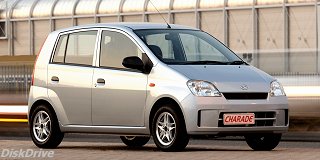
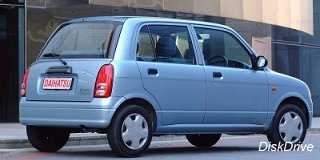
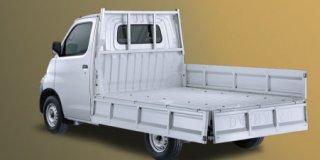
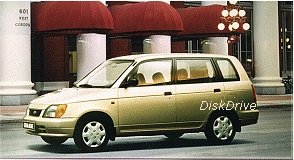
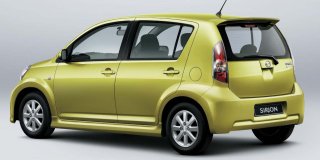
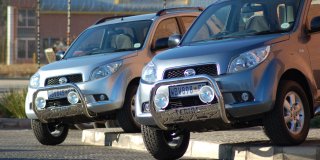
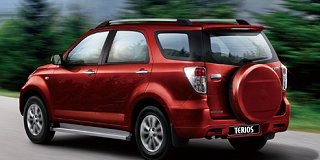
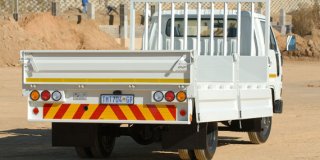
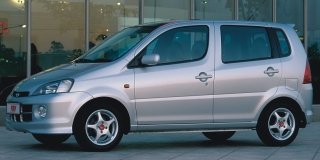
Seen through Sirion, Charade, Terios, and Terios LWB, Daihatsu starts to feel more concrete. That becomes even clearer once you notice how much of the catalogue leans into hatchback, mpv, suv, and bakkie, because that tilt affects the type of buyer the brand naturally draws. That scale works in Daihatsu's favour because the range stays readable without becoming thin.
Daihatsu makes the most sense when you see Daihatsu and the product mix as part of one argument rather than separate things. Daihatsu makes its case through common sense rather than theatre, and that is often exactly what makes it durable.
In practical terms, the brand makes sense because the product mix and the reputation still speak the same language.
That focused spread influences expectations as well. Buyers do not approach Daihatsu looking for a sprawling catalogue or a dozen overlapping answers to the same problem. They come to it expecting a more specific job description, and the listed vehicles support that expectation cleanly.