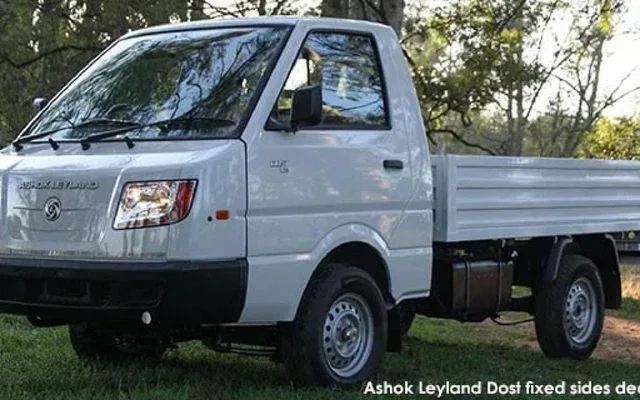
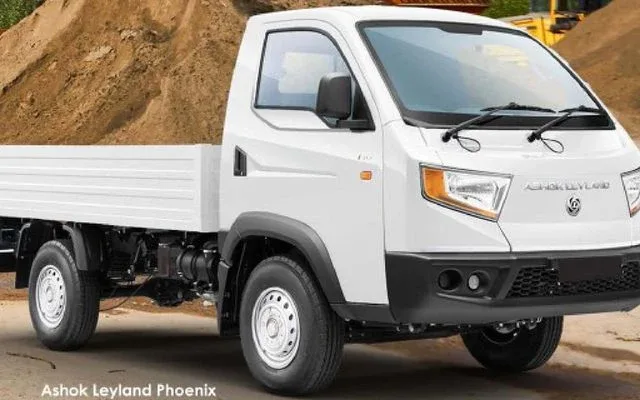
Ashok Leyland focuses on hard working transport, serving buyers who need simple, usable commercial machinery.
There is a noticeable difference between a brand that simply fills segments and one that projects a recognisable identity across its line-up. Ashok Leyland usually falls into the second camp.
If you want to read the brand through a few nameplates, start with DOST and Phoenix. Those models capture the tone of the range well, while the dominance of pick-up - single cab dropside models keeps the catalogue anchored in pick-up - single cab dropside. A tighter catalogue like this can actually sharpen Ashok Leyland's identity by stripping away distraction.
Commercial buyers tend to be unsentimental. They care about usefulness, operating logic and the sense that the vehicle was built with a job in mind. The people most likely to connect with Ashok Leyland are owners and operators who want transport that earns its keep without unnecessary fuss, not buyers who just want a generic answer to a transport problem.
Ashok Leyland does not need to be everything to everyone. What matters is that the line-up has a recognisable centre, and that is exactly what gives Ashok Leyland its staying power. That no nonsense approach is exactly what makes a focused commercial brand valuable in the first place.
Smaller makes can be harder to place than large global brands, because there are fewer models to explain Ashok Leyland. In Ashok Leyland's case, that narrower footprint actually helps. The line-up says something direct about the role the brand wants to play, and there is value in that kind of clarity.